Finding the right seafood supplier is an important step for importers, distributors, wholesalers, retailers, food-service companies, and seafood processing businesses.
International buyers need more than product availability. They also need clear specifications, suitable processing methods, appropriate packaging, reliable communication, and proper export coordination.
Working with a seafood supplier in Indonesia can provide access to various fresh and frozen seafood products for different commercial requirements. However, buyers should evaluate each sourcing opportunity carefully before confirming an order.
This guide explains what global buyers should consider when sourcing seafood products from Indonesia and how Valtera Seafood can support the inquiry process.
Why Source Seafood Products from Indonesia?
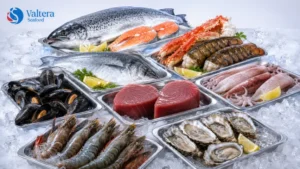
Indonesia offers a variety of seafood products that can be prepared for different markets and business segments.
Depending on seasonal availability, sourcing location, production capability, and buyer specifications, potential product options may include:
- Fresh seafood products
- Frozen seafood products
- Whole seafood
- Cleaned and processed products
- Different sizes and grades
- Retail or bulk packaging
- Buyer-specific processing forms
This flexibility allows international buyers to explore products based on their target market, sales channel, storage capability, and customer requirements.
Product availability, processing options, and commercial terms must always be confirmed before quotation and production.
What to Check When Choosing a Seafood Supplier in Indonesia
Choosing a reliable sourcing partner requires careful communication from the beginning. Buyers should provide detailed requirements and confirm the supplier’s ability to meet them.
Here are the main factors to review.
1. Product and Species Identification
Seafood products may have different local, commercial, and scientific names. For this reason, buyers should identify the requested product as clearly as possible.
A product inquiry should ideally include:
- Commercial product name
- Scientific name, if available
- Fresh or frozen condition
- Whole or processed form
- Intended market or application
- Requested order volume
Clear product identification helps reduce misunderstandings during sourcing, quotation, and production.
2. Size and Grading Requirements
Size and grading can affect product presentation, processing yield, packaging configuration, and pricing.
International buyers should explain how the requested size is measured. Depending on the product, grading may be based on:
- Weight per piece
- Number of pieces per kilogram
- Product length
- Processing yield
- Buyer-specific grading standards
A professional Indonesian seafood supplier should confirm how the grading is defined before preparing a commercial offer.
3. Fresh or Frozen Product Condition
Buyers should determine whether fresh or frozen seafood is more appropriate for their market and logistics requirements.
Fresh Seafood
Fresh seafood may require faster transportation, controlled handling, and careful shipment planning. Product feasibility depends on the destination, transit time, seafood type, packaging, and available logistics arrangements.
Frozen Seafood
Frozen seafood may provide greater flexibility for storage, distribution, and inventory planning. Buyers should confirm the required freezing method, product temperature, glazing, packaging, and storage conditions when applicable.
Every requirement should be reviewed according to the selected product and available processing capability.
4. Processing Form and Customization
Different customers may require different processing forms. An importer serving restaurants may have different requirements from a retail brand or industrial processor.
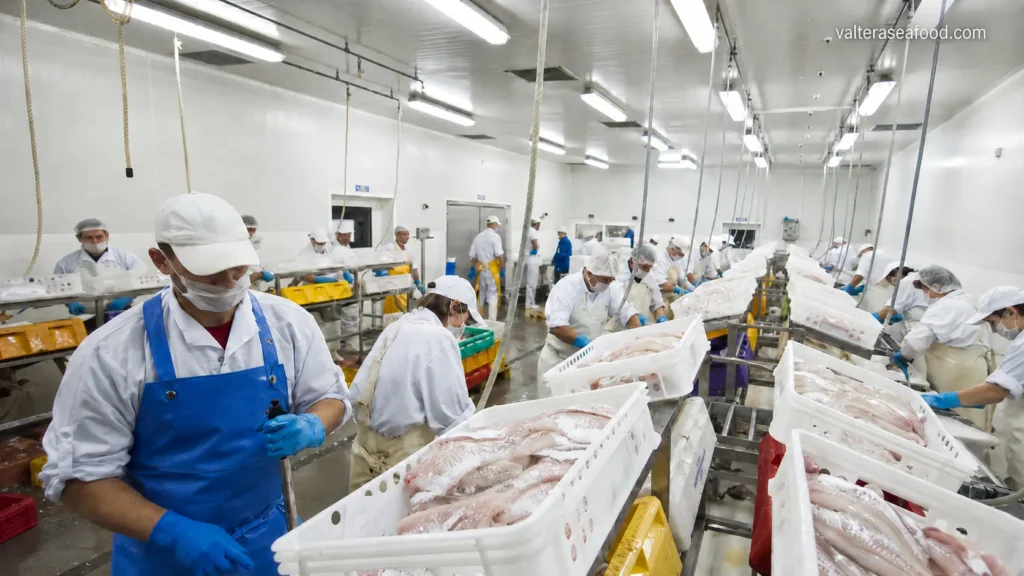
Depending on the seafood product and production capability, customization may include:
- Whole or cleaned products
- Head-on or headless products
- Fillets or portions
- Skin-on or skinless products
- Buyer-requested cuts
- Individual or bulk packing
- Size and grade selection
- Custom carton configurations
All custom seafood processing requirements must be confirmed before production.
5. Packaging and Labeling
Packaging protects seafood during storage, handling, and transportation. It also helps buyers manage distribution and product presentation in their destination market.
Buyers should provide packaging specifications such as:
- Net weight per pack
- Packs per carton
- Inner and outer packaging
- Bulk or retail configuration
- Label information
- Carton dimensions
- Private-label requirements
- Language requirements
- Destination-market requirements
Custom packaging may be discussed based on the selected product, order volume, and available production capability.
6. Quality and Documentation Requirements
Quality expectations should be communicated clearly before an order is confirmed.
International buyers may need to discuss:
- Product specifications
- Inspection requirements
- Product photographs or samples
- Packing and labeling confirmation
- Certification requirements
- Health and export documents
- Destination-country documentation
- Other buyer-requested quality documents
Certification and documentation requirements may differ depending on the product and destination market. Buyers should provide these requirements during the initial inquiry so they can be reviewed before quotation.
7. Order Volume and Product Availability
Seafood availability may change depending on the season, sourcing conditions, specifications, and requested quantity.
When contacting a seafood supplier in Indonesia, buyers should provide an estimated order volume and purchasing schedule.
Important information may include:
- Trial order quantity
- Regular order volume
- Container or shipment preference
- Required delivery schedule
- Expected purchasing frequency
- Destination country or port
This information helps the sourcing team evaluate whether the request can be supported.
The Role of an Indonesian Seafood Exporter
International seafood transactions involve more than matching a buyer with a product.
An Indonesian seafood exporter may also help communicate product requirements, coordinate with sourcing and production partners, confirm packaging specifications, discuss documentation, and support export preparation.
Clear coordination is especially important when buyers require customized products or destination-specific documentation.
Valtera Seafood connects international buyers with seafood sourcing opportunities from Indonesia while helping communicate the buyer’s requirements throughout the inquiry process.
How Valtera Seafood Supports Global Buyers
Valtera Seafood supports inquiries for fresh and frozen seafood products from Indonesia.
Depending on the product and available capability, we can help coordinate:
- Seafood product sourcing
- Size and grading requirements
- Fresh or frozen product inquiries
- Processing forms and custom cuts
- Packaging specifications
- Product and specification confirmation
- Inspection and documentation discussions
- Export preparation and coordination
Valtera Seafood communicates buyer requirements to the relevant sourcing and production partners. Every product specification, customization request, commercial term, and documentation requirement must be confirmed before quotation and production.
Information to Include in Your Seafood Inquiry
Providing complete information can make the sourcing and quotation process more efficient.
Before sending an inquiry, prepare the following details:
- Product or species name
- Scientific name, if available
- Fresh or frozen condition
- Required size and grading
- Processing form or cut
- Packaging configuration
- Estimated order volume
- Destination country or port
- Required certifications or documents
- Expected delivery schedule
If certain details are not yet available, buyers can still share their intended application and target market for further discussion.
Frequently Asked Questions
Can seafood products be customized?
Customization may be available depending on the product and production capability. Buyers can discuss size, grading, processing form, cut, packaging, and labeling requirements before quotation.
Does Valtera Seafood offer fresh and frozen seafood?
Valtera Seafood supports inquiries for fresh and frozen seafood products from Indonesia. Availability is subject to the product, season, specifications, volume, and logistics feasibility.
Can international buyers request custom packaging?
Custom packaging requirements may be discussed based on the product, requested volume, and available packaging capability. All details must be confirmed before production.
What information is required for a quotation?
Buyers should provide the product name, condition, size, processing form, packaging, volume, destination, and required documentation. Complete specifications help the sourcing team prepare a more accurate response.
Connect with a Seafood Supplier in Indonesia
Finding the right seafood supplier in Indonesia starts with clear product specifications and reliable communication.
Valtera Seafood helps global buyers explore fresh and frozen seafood products from Indonesia based on their commercial requirements. Our team can support sourcing discussions, specification coordination, customization requests, packaging requirements, and export preparation.
Looking for seafood products from Indonesia?
Contact Valtera Seafood and share your product specifications, required volume, packaging, destination market, and expected delivery schedule. Our team will review your inquiry and discuss a suitable seafood sourcing solution.